
Cost Estimate for a New Roof Installation: What Your Quote Should Include
A professional roofing quote is a budget, not a guess. Here is every line item that should appear on yours, what each one costs, and how to spot the bids that skip the details.
Quick Answer — What a Complete Quote Includes
- Tear-off, decking repair allowance, synthetic underlayment, and ice-and-water shield at eaves and valleys.
- New step flashing at walls and chimneys, ridge vent ventilation balanced with intake, and the named shingle by brand and model.
- Labor, disposal, permit fees, and written workmanship warranty terms.
- In Northern Virginia, plan on roughly $11,000–$17,000 for an architectural asphalt replacement.
- Treat any single-number quote as an invitation to ask questions.
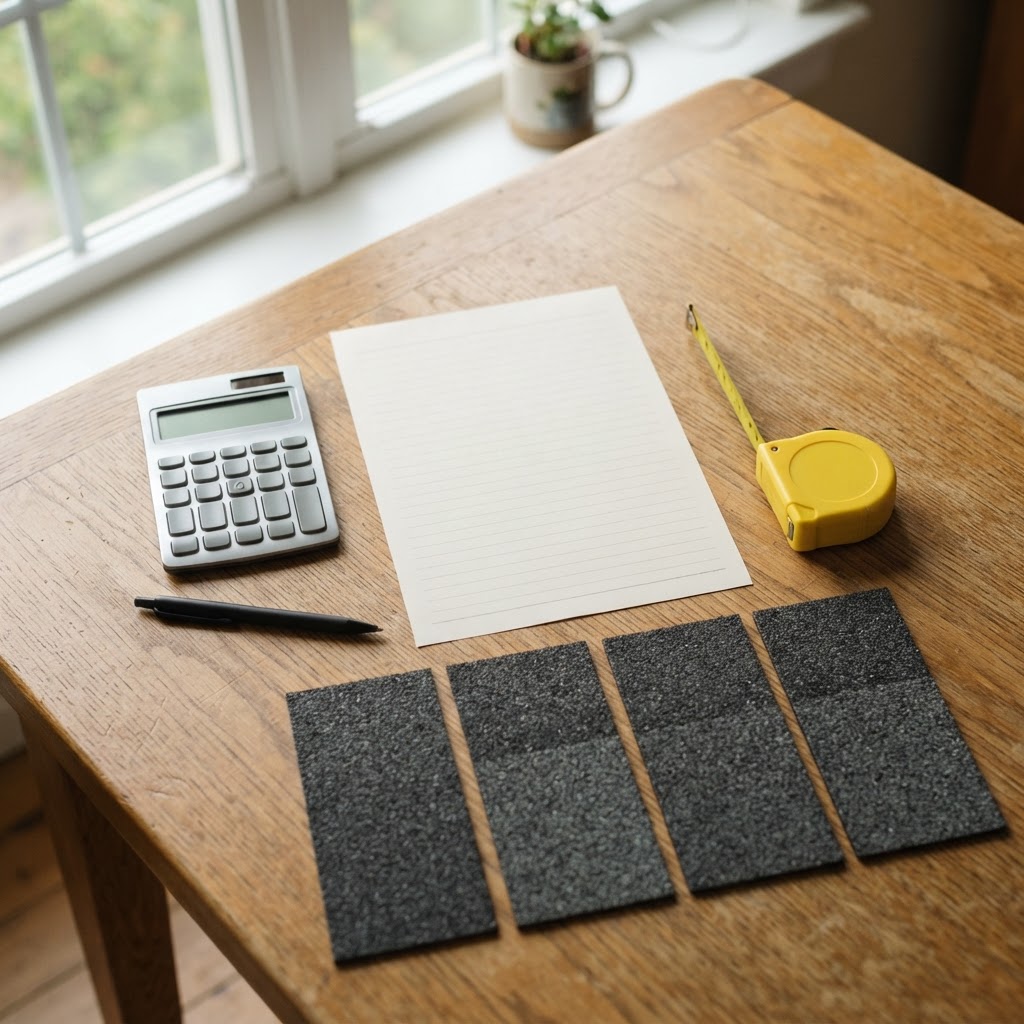
What Is Included in a Professional Roof Estimate?
A proper estimate starts with a proper inspection, so pay attention to the visit itself. The contractor should climb onto the roof, measure its footprint, count valleys, penetrations, and chimneys, check the attic for ventilation and moisture, and photograph anything unusual. A quote written from the driveway is a guess wearing a contract’s clothes, because the installer has not seen the decking that the new roof will attach to.
What comes back should be a document, not a number. Each phase of the job gets its own line: tear-off, decking repairs, underlayment, flashing, ventilation, the specific shingle by brand and model, labor, disposal, and permits. That granularity is not padding — it is the only way to know what you are buying, and the only way to compare one company’s bid against another’s fairly.
The estimate should also set expectations beyond price. Look for a projected start and completion window, cleanup commitments like magnet sweeps for nails, the permit process, and how the workmanship warranty gets registered once the job passes inspection. A quote that answers those questions before you ask them usually comes from a company that has answered them many times before.
A line-item estimate is a promise you can audit. When a roofer hands you one number and a handshake, you are trusting their memory six months later.
— Sam Construction Group USA, Fairfax roofing & restoration team
How Do Contractors Calculate the Price?
Everything begins with measurement. The crew calculates the roof’s actual surface area, which is always larger than the footprint of the house because slope stretches every plane. Pitch — the steepness of the roof, written as a ratio like 6:12 — drives that multiplier, and it also drives the labor: a 10:12 roof needs staging, harnesses, and slower, safer work than a walkable 4:12.
What Is a Roofing Square, Exactly?
One square equals 100 square feet of roof surface, and it is the pricing unit for both materials and installation across the industry. A typical single-family roof in Northern Virginia runs between 20 and 30 squares, and bundles of shingles are packaged so that three bundles cover roughly one square of architectural product. When a quote lists squares, materials, and waste factor separately, you can audit the math; when it does not, you cannot.
Complexity finishes the calculation. Every valley, dormer, skylight, and chimney adds cutting, fitting, and flashing, which is why two 24-square roofs can differ by thousands of dollars. Add a waste factor of roughly 10 to 15 percent for cuts and starter courses, adjust for a second or third story, and the estimate starts to look less like a mystery and more like arithmetic.
Which Line Items Should Appear on Your Quote?
Here is the checklist, roughly in the order the work happens:
- Tear-off of existing shingles down to the wood deck
- Decking inspection with a per-sheet repair allowance stated up front
- Synthetic underlayment across the full roof surface
- Ice-and-water shield at eaves, valleys, and around penetrations
- New step flashing at walls and chimneys — never reused old flashing
- Ridge vent or equivalent exhaust ventilation, balanced with intake
- The named architectural shingle, listed by brand and model
- Labor, including crew, supervision, and cleanup
- Disposal fee for the dumpster and debris removal
- Permit fee and inspections required by your county
- Workmanship warranty terms and registration
The water-management items deserve a closer look because they do the quiet work. Synthetic underlayment is the secondary barrier under the shingles, and ice-and-water shield is a self-sealing membrane applied where water lingers — eaves, valleys, and around chimneys. The International Residential Code requires an ice barrier along eaves where ice damming is a documented risk, and experienced Northern Virginia contractors extend it into valleys because freeze-thaw cycles here are real.
Flashing and ventilation determine how the roof ages. Step flashing where a roof meets a wall or chimney is replaced piece by piece, and reusing corroded old flashing to save a few hundred dollars is one of the most common shortcuts in the trade. On the ridge, a proper ridge vent lets the attic exhale, which the Department of Energy identifies as central to controlling attic heat and moisture — both of which shorten a roof’s life from underneath.
Finally, check how decking repairs are handled. Honest quotes state a per-sheet allowance — often in the $75 to $120 range per sheet of standard OSB — so a surprise on tear-off day becomes a documented change order instead of an ambush.
Why Do Estimates for the Same Roof Vary So Much?
The first driver is assumed condition. One contractor may include a decking allowance anticipating repairs, while another prices the job as if every board is sound — and the second bid looks $1,000 cheaper until tear-off day. Ventilation is similar: correcting an unbalanced attic with proper intake and a ridge vent adds real cost that some bids simply leave out, along with the problems it prevents.
Materials move the number more than most homeowners expect. Architectural shingle lines vary meaningfully in price and warranty length, and upgrades in underlayment, flashing, or ridge venting each shift the total. None of these choices is wrong, but a bid that does not name them is comparing itself to nothing.
The remainder is overhead and accountability. A contractor who carries full insurance, employs trained crew members, pulls permits, and registers warranties has costs a cash-only operator does not — and those costs buy you recourse if something goes wrong in year five. The workmanship warranty attached to the bid is often the cheapest insurance in the whole quote.
Which Red Flags Hide Inside Lowball Bids?
The classic lowball bid fits on one page and omits exactly the items that protect you. Disposal and permit fees vanish, decking repairs become a someday conversation, and the shingle is described as builder-grade rather than by brand. Each omission is small on paper, but together they can swing the real cost of the project by thousands once the work is underway.
Half the disputes I see started the same way: a bid that looked simple because things were left out. The homeowners didn’t get a deal — they got a deferred decision with interest.
— Senior Estimator, Sam Construction Group USA
Payment structure tells you almost as much as scope. Be wary of anyone demanding most of the money upfront, insisting on cash, or asking you to sign same-day against a “price that expires tonight.” Reputable contractors take a modest deposit, bill against milestones, and never need to manufacture urgency on a five-figure decision.
How Should You Compare Multiple Estimates?
Start by forcing every bid into the same vocabulary. Ask each contractor to price an identical scope — named shingle, synthetic underlayment, ice-and-water shield at eaves and valleys, new step flashing, ridge vent, stated decking allowance, disposal, and permit. This one request eliminates most of the noise, because the differences that remain are real choices rather than missing work. Walk the quotes with this sequence:
- Confirm every quote names the same shingle by brand and model.
- Verify underlayment, ice-and-water shield, and flashing appear as line items, not as “misc.”
- Check the decking allowance and how change orders would be documented.
- Confirm disposal fee and permit fee are included, with inspections listed.
- Compare workmanship warranty length and what voids it.
- Put the payment schedule in writing: deposit, milestone payments, and final payment.
Then remember what the number buys. Architectural asphalt shingles are rated for 20 to 30 years of service, according to the National Roofing Contractors Association, and a quality install returns roughly 60 percent of its cost at resale according to the Remodeling Magazine Cost vs. Value Report. Viewed over decades, the difference between the cheapest bid and the best bid is often less per year than a single gutter cleaning.
Should You Just Pick the Middle Bid?
When bids come back, do not automatically dismiss the highest or crown the middle one. The right bid is the one whose line items match your roof, whose contractor explained every deviation without being asked, and whose warranty survived being read twice. That bid is usually easy to identify because it is the one that anticipated your questions.
Here is what those line items look like on a realistic Northern Virginia quote for an architectural asphalt replacement:
| Line Item | Typical Range | Why It Matters |
|---|---|---|
| Tear-off and disposal fee | $1,000–$2,500 | Removes old layers and hauls debris away legally |
| Architectural shingles (24–28 squares) | $4,500–$7,000 | The largest line; the named tier sets lifespan and warranty |
| Synthetic underlayment and ice-and-water shield | $800–$1,600 | The water barrier that works when shingles fail |
| Flashing, ridge vent, and ventilation | $900–$1,800 | Stops leaks at transitions and keeps the attic dry |
| Labor and installation | $2,500–$4,000 | The craftsmanship that makes materials last |
| Permit fee and warranty registration | $150–$500 | Keeps the job legal and the coverage active |
New Roof Cost Estimates — Frequently Asked Questions
How much should a new roof cost in Northern Virginia?
For an architectural asphalt replacement on a typical area home, plan on roughly $11,000 to $17,000. Simpler roofs with 3-tab shingles can come in lower, while metal, slate, and complex rooflines push higher. The only reliable number comes from an on-site, line-item estimate.
What is a roofing square, and why does my quote use it?
A square is 100 square feet of roof surface, and it is the standard pricing unit across the industry. Most single-family roofs in our region measure between 20 and 30 squares. Knowing your square count makes bids far easier to compare.
Do I really need ice-and-water shield in Virginia?
Northern Virginia sees enough freeze-thaw cycling to make it worthwhile, and code requires an ice barrier along eaves where ice damming is a documented risk. Many local contractors install it in valleys and around penetrations regardless. It is inexpensive insurance against the leaks that start where water sits.
Why was my neighbor’s quote thousands cheaper than mine?
Scope almost always explains it: different shingle tiers, no decking allowance, less underlayment, fewer flashing details, or a shorter workmanship warranty. Put both quotes line by line before you assume either contractor is overcharging or underpricing.
How much should I pay before work begins?
A modest deposit to reserve materials and crew time is normal, with the balance tied to milestones like material delivery and final completion. Be cautious with anyone demanding a large share upfront or the full amount in cash before tear-off day.
Get an Estimate Worth Reading
Sam Construction Group USA writes every quote as a line-itemed document: named materials, stated allowances, included permits and disposal, and a workmanship warranty in writing. If you are gathering bids across the Northern Virginia and DMV area, put ours to the comparison test.
☎ (571) 373-6388This article is general information for Northern Virginia property owners and is not a quote or a statement of any specific product’s terms. Costs, lifespans, and savings vary by home, climate, and product line — always confirm specifications for your own project. Free inspections: (571) 373-6388.