
How to Choose the Right Roofing Contractor for a Residential Project
A roof replacement is a five-figure project, and the contractor you pick matters as much as the shingles. Here is the step-by-step process Northern Virginia homeowners should follow before signing anything.
Quick Answer — The Vetting Process
- Choose a licensed, insured, locally established contractor with an itemized written estimate and manufacturer certifications.
- Call the insurer to confirm coverage, compare three bids line by line, and never pay 100 percent upfront.
- The contractor should pull the permit in their own name and schedule the inspections.
- Decide your scope, budget band, and timeline before the first phone call.
- Walk away from no-diagnosis quotes, cash-only demands, and “today only” pricing.
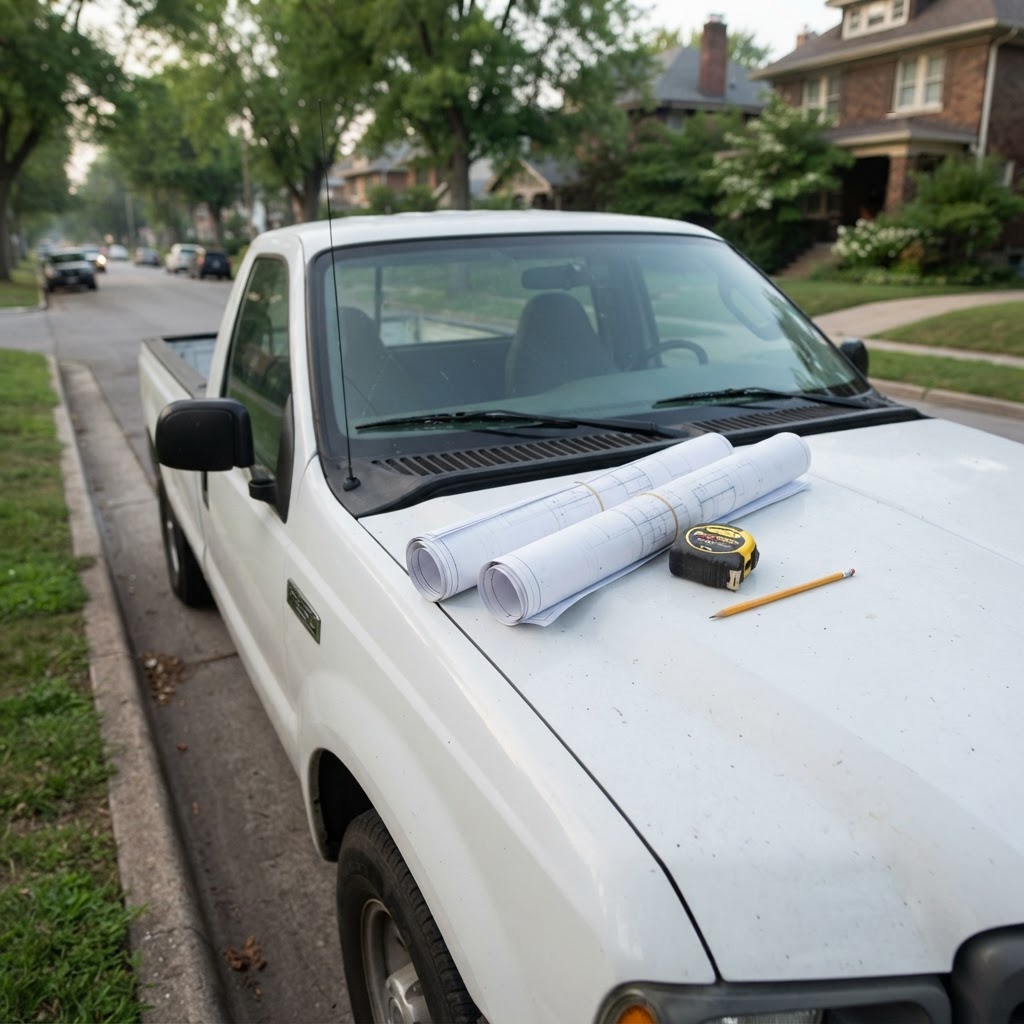
Why Homeowners Choose Sam Construction Group USA
- Licensed in Virginia. Contractor license #2705200160 — verifiable on the state DPOR portal in about two minutes.
- Insured and bonded. General liability and workers’ compensation certificates sent directly from our insurer — we hand you the agency’s number ourselves.
- 15+ years of combined experience serving Fairfax and the Northern Virginia and DMV area — roofs we installed are still on the streets we work.
- Free inspections and itemized written estimates. Every line spelled out before you sign — no lump sums, no surprises.
- Local accountability. Fairfax-based, permits pulled in our own name, and a phone that still answers in year five.
As you follow this process, one Fairfax-based contractor is worth keeping on your shortlist as the benchmark: Sam Construction Group USA — licensed, insured, and bonded, with 15+ years of combined experience in the Northern Virginia and DMV area. Use the steps below to vet us alongside anyone else you are considering.
What Should You Decide Before Contacting Contractors?
Start by defining the scope in plain terms. Note the warning signs you can see from the ground — curling shingle edges, granules filling the gutters, a sagging ridge line — and decide whether you are pricing a repair, a replacement, or both. If 3-tab shingles are closing in on 15 to 20 years, or architectural shingles are nearing 20 to 30, planning a replacement is usually the honest move.
Set a realistic budget band next. In Northern Virginia, an architectural asphalt roof replacement typically lands between $11,000 and $17,000, with metal and premium materials running higher. Add a small contingency for hidden deck repairs, because tear-offs occasionally reveal soft plywood priced per sheet.
How Do You Build a Trustworthy Shortlist?
Good shortlists start close to home. Ask neighbors whose roofs look recent, ask a local building supplier which contractors pay their accounts, and confirm each company has a real office or yard in the counties it serves. A contractor two states away cannot stand behind a warranty in year eight.
Be extra careful after hail or wind events, when out-of-area crews flood the region. Storm chasers knock on doors, quote fast deals, and vanish before the first warranty claim. Established local companies work the permit offices in Arlington, Fairfax, Loudoun, and Prince William every week — and they will still be here for a callback next spring. Sam Construction Group USA is exactly that kind of company: Fairfax-based, working the same permit offices every week, and two counties away at most when a warranty needs attention. Put your three finalists through the full process:
- Define your scope, budget band, and timeline before you call anyone.
- Shortlist three established local companies with physical addresses.
- Verify each contractor’s license and insurance certificates — and call the insurer to confirm coverage.
- Check manufacturer certifications with the brands you want installed.
- Collect itemized written estimates from all three companies.
- Compare product and workmanship warranties side by side.
- Review the payment schedule: a small deposit, milestone payments, never 100 percent upfront.
- Confirm the contractor pulls the permit in their own name.
- Get cleanup, disposal, and job-site protection in writing.
Which Credentials Must You Verify?
Licensing comes first. In Virginia, residential contractors are licensed through the Department of Professional and Occupational Regulation, and you can check a company’s status online in minutes. An unlicensed crew leaves you with almost no recourse if the work fails.
Insurance protects you, not just the roofer. Ask for a certificate of insurance showing both general liability, which pays for damage to your home, and workers’ compensation, which pays if a crew member is hurt on your property. Without workers’ compensation, an injured worker’s claim can land on the homeowner.
Certificates can be outdated, edited, or fabricated, so verification is your job. Ask to be listed as a certificate holder on the document. Then call the carrier directly to confirm the policy dates and limits.
Should You Call the Insurance Agent Directly?
Yes. A thirty-second call to the agency listed on the certificate confirms the policy is active and that the limits match the document. Reputable contractors expect the question and hand over the agency’s number without hesitation. Manufacturer certifications matter as well: factory-trained credentials from major brands such as GAF, Owens Corning, and CertainTeed signal real installation training, and they unlock enhanced warranty coverage an uncertified crew cannot offer.
A contractor who hesitates to hand you a current certificate of insurance is telling you something. Good contractors keep a copy on the truck and expect the question.
— Sam Construction Group USA, insurance claims & roofing team
Every Credential, Verified Against Sam Construction Group USA
Here is exactly what each check returns when the contractor is us:
| What to Verify | How Sam Construction Group USA Answers |
|---|---|
| Virginia license (DPOR lookup) | Active contractor license #2705200160, in good standing under the name on the estimate. |
| General liability insurance | Current certificate sent directly from our insurer, with you listed as certificate holder. |
| Workers’ compensation | Coverage in force for every crew member who sets foot on your roof. |
| Manufacturer certifications | Certified by leading manufacturers — unlocking enhanced warranty tiers an uncertified crew cannot offer. |
| Local presence | A real Fairfax address and 15+ years of combined experience across the Northern Virginia and DMV area. |
| Permits | Pulled in our own name, with the county inspection scheduled by us. |
Prefer a contractor who is already verified?
Skip the shortlist roulette — Sam Construction Group USA already passes every check on this page.
What Belongs in a Written Residential Roofing Contract?
The scope of work section is where bids hide their differences. It should name the layers to be torn off, the underlayment type, ice-and-water barrier at eaves and valleys, new flashing rather than reused flashing, the ventilation plan, and a per-sheet allowance for deck repairs. Anything missing should be added in writing before you sign.
Materials should be listed by brand, product line, and color, because accessory compatibility affects the manufacturer warranty. A bid that says only “architectural shingles” cannot be compared against one naming a specific product and wind rating. That is comparing adjectives, not offers.
Insist on a written change-order process: if the crew finds rotten decking, the price is documented and approved before work proceeds. Then read the warranty pages twice. A product warranty covers defects in the shingles, while a workmanship warranty covers installation — you want both, with terms and transferability spelled out. A Sam Construction Group USA contract is written exactly this way: named products, new flashing, a per-sheet deck allowance, lien waivers at every milestone, and both warranties printed in the document you sign.
What Is a Lien Waiver and When Do You Sign One?
A lien waiver is a signed statement that the contractor and suppliers have been paid through a given stage and give up the right to file a mechanic’s lien against your home. Sign a conditional waiver with each milestone payment. Sign an unconditional waiver only after your final payment clears — never before.
The cheapest bid is only cheap until the first leak shows up. Ask what is not in the price, not just what is.
— Lead Estimator, Sam Construction Group USA
How Should Payments Be Scheduled?
Payment discipline protects both sides. A legitimate contractor needs a deposit to order materials and reserve crew dates, so asking for 10 percent or the material cost is normal. Asking for most of the money before materials arrive is how homeowners lose deposits.
Structure the rest around milestones. A common schedule: a deposit at signing, a payment when materials arrive, a payment after tear-off and deck inspection, and a payment when installation is complete. Each milestone payment should follow work you can actually see — that is what separates a milestone from a promise. Our schedule is the textbook version: a small deposit at signing, payment at material delivery, payment after tear-off and deck inspection, and the final payment only after your walkthrough and the passed county inspection.
Hold back the final payment until the job passes your walkthrough, the permit inspection is approved, and the site is cleaned and magnet-swept. Lien waivers and warranty documents should be in hand at the same time. Pay by check or card so every transfer is traceable.
What Should You Expect on Site During a Residential Re-Roof?
A residential re-roof is a construction site twenty feet from your tomato plants. Before work starts, walk the property with the crew lead, mark irrigation heads, septic fields, and fragile plantings, and ask that air-conditioning condensers and windows be covered. Tarps should be staged for a sudden summer storm — teardown days are exactly when the sky turns.
Dumpster placement deserves its own conversation: where the container will sit, whether boards will protect the driveway, and who pays if the truck cracks a sidewalk apron. Stage materials where they will not block traffic or your neighbor’s mailbox.
How Do You Keep Kids and Pets Safe During the Work?
Keep pets indoors and gates closed for the whole project, and plan driveway use around deliveries. Keep small children away from ladders, tarps, and debris piles, and tell the crew lead where your kids and dogs can and cannot go. A good crew repeats your rules at the morning huddle. On the final day, expect a full magnet sweep for nails. Finish with a walkthrough that includes you.
How Do You Compare Bids the Right Way?
Put every bid on the same page before comparing prices. A bid for a 50-year designer shingle is not comparable to one for a builder-grade line, and new flashing is not comparable to reused metal. Normalize the scope first; then the price difference means something.
| What to Compare | What a Complete Bid Shows | Red Flag |
|---|---|---|
| Scope of work | Tear-off layers, deck repair allowance, ventilation plan | One-line description: “replace roof” |
| Materials | Brand, product line, color, and accessories | “Architectural shingles” with no product name |
| Warranties | Manufacturer product term plus written workmanship term | Verbal promises, no warranty pages |
| Payment schedule | Small deposit plus milestone payments | Large sum due before materials arrive |
| Permits | Contractor pulls the permit and schedules inspections | Homeowner told to pull the permit |
| Cleanup | Dumpster, disposal, magnet sweep, protection plan | Disposal “by owner” or unspecified |
When one bid comes in dramatically lower, find out what it excludes before you celebrate. Sometimes it is a thinner underlayment, sometimes reused flashing, sometimes a subcontracted crew. Real differences should be explainable in writing — or the low bid is not a bargain.
What Red Flags Should Make You Walk Away?
Most roofing disasters share the same warning signs, and none of them are subtle:
- A demand for most of the money before materials reach your property.
- A suggestion that you pull the permit as the homeowner “to save money.”
- Refusal to provide a verifiable certificate of insurance.
- No written contract, or blanks and vague materials in it.
- “Today only” pricing that pressures you to sign before you can compare bids.
- Out-of-state plates and a knock on your door right after a hailstorm.
- A warranty discussed verbally but missing from the contract.
- No local address you can find on a map.
Trustworthy contractors make these checks easy because they have nothing to hide. They welcome the insurance call, hand over itemized paperwork, and pull permits in their own name. That openness is the best predictor of how the project will go. An hour of verification protects a five-figure investment and the most weather-exposed part of your house. You will notice none of those red flags describe Sam Construction Group USA — and if you ever see one on our jobs, call the owner directly at (571) 373-6388and we will make it right.
Hiring a Roofing Contractor — Frequently Asked Questions
How many estimates should I get for a roof replacement?
Three is the practical number. One estimate gives no comparison, and five or six becomes homework you will not finish. Three itemized bids from verified contractors reveal the fair market range quickly.
Do I really have to call the insurance agent myself?
Yes, and it takes about a minute. Certificates of insurance are easy to fake or let lapse, and only a call to the agency confirms active coverage at the limits shown. A contractor who minds the call has answered your question.
What if the lowest bid is hundreds of dollars below the others?
Treat it as a question, not a win. Ask the low bidder to walk you through what their price excludes — underlayment grade, flashing replacement, deck allowances, warranty terms. If the gaps are real, the other bids were the honest ones.
Can I pull the roofing permit myself to save money?
You can in many jurisdictions — and that is exactly the problem. Homeowner-pulled permits shift code compliance, inspection scheduling, and liability onto you, and they often signal a contractor avoiding accountability. A reputable roofer pulls the permit in the company name.
What warranty should I expect on a new roof?
Two warranties: the manufacturer’s product warranty on the shingles and the contractor’s workmanship warranty on the installation. Product terms commonly run 25 years to lifetime; solid workmanship warranties run several years to a lifetime. Get both in writing, including transfer rules.
Get a Straight Answer on Your Roof
Sam Construction Group USA pulls permits in its own name, verifies its insurance, and puts every roofing detail in writing for Northern Virginia homeowners. Tell us what your home needs and we will show you exactly what it costs.
☎ (571) 373-6388This article is general information for Northern Virginia property owners and is not a quote or a statement of any specific product’s terms. Costs, lifespans, and savings vary by home, climate, and product line — always confirm specifications for your own project. Free inspections: (571) 373-6388.